
Noise Monitoring for Construction, Demolition & Mining
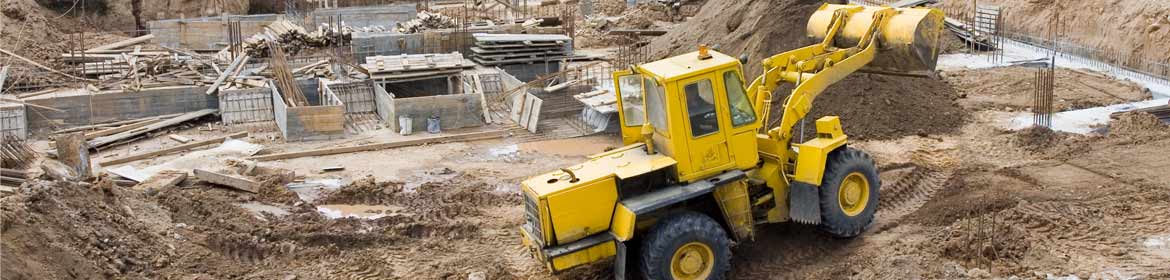
Construction can be a industry where high noise levels are common and where both occupational and environmental noise monitoring may be needed.
The measurement and monitoring of noise from construction sites can be carried out using a range of different instruments depending upon the time over which the measurements need to be made.
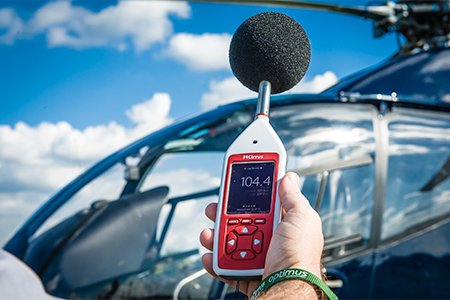
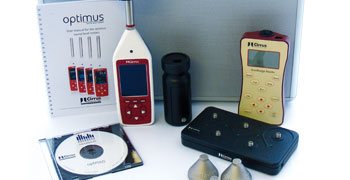
If the measurements are to be made over a short period, such as a few hours, a handheld sound level meter such as the Optimus Green would be suitable.
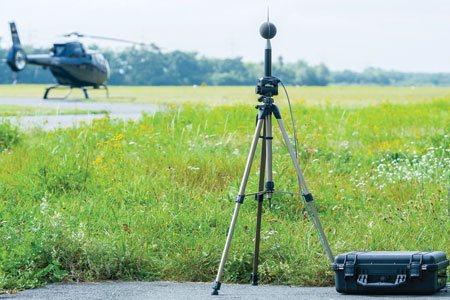
If the measurements need to be made over a longer period, an outdoor measurement kit may be needed and the CK:670 and CK:680 outdoor noise measurement kits can be used with an Optimus Green sound level meter.
These allow measurements to be made for up to 2 weeks with the internal battery packs and provide options such as remote download over 3G/GPRS and GPS location data
For longer term measurements, a permanent noise monitor may be the best solution. This type of instrument is purpose designed to long term operation in all weather conditions and can be supported by the Noise-Hub software package. This type of system often requires a more in-depth discussion to ensure that all of the options and requirements have been covered. For more details, please contact Cirrus Research plc.
Tell us what you need today and our Noise Experts will be ready to help.
TELL US WHAT YOU NEED
Our recommended instruments forEnvironmental Noise Monitoring for Construction, Demolition & Mining
Occupational Noise Exposure of Construction Workers
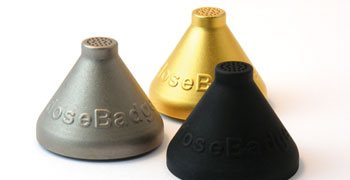
The noise exposure pattern of construction workers can vary significantly over different days and so using a doseBadge Noise Dosimeter may often give the most effective measurements. For the mining industry, an Explosion proof instrument with ATEX or EEx Intrinsic Safety Certification may be required, particularly in underground operations.
Our recommended instruments forOccupational Noise Monitoring for Construction, Demolition & Mining
More Information
Find out more
If you have any questions or if you would like any more information, please contact us and we will be pleased to help.
From the UK, contact us on 01723 891655.
From outside the UK, please contact us on +44 1723 891655.
You can also contact us via our contact form.